Camouflage Flat Icon: Enhancing Visual Communication in Design Workflows
Visual elements play a critical role in modern design, especially when clarity and consistency are essential. The Camouflage Flat Icon offers a clean, scalable solution for designers and creators who need to integrate symbolic imagery into a wide range of digital and print projects. Whether used in templates, web design, or infographics, this type of icon provides a minimalist yet recognizable visual language that supports efficient communication.
Understanding the Camouflage Flat Icon
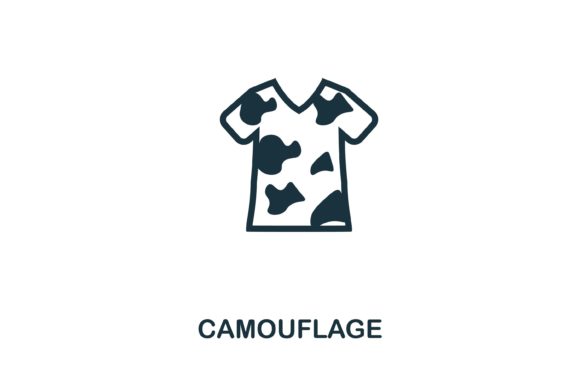
The Camouflage Flat Icon is a simplified vector-based graphic that represents a camouflage pattern in a flat design style. It is often used to convey themes of concealment, adaptability, or stealth. Unlike detailed or realistic illustrations, flat icons are intentionally minimal, using solid colors and clean lines to maintain visual consistency across platforms and media.
This icon is typically delivered in multiple formats—such as EPS and JPG—which makes it adaptable for different design needs. The EPS file ensures scalability without loss of quality, ideal for both print and high-resolution digital use. The JPG format provides immediate usability for those who don’t require editing capabilities but need a ready-to-use image.
How Camouflage Flat Icons Fit Into Design Workflows
Icons like the Camouflage Flat Icon are not just decorative elements—they serve functional roles in organizing information, guiding user interaction, and reinforcing visual themes. Their integration into a design process can occur at multiple stages:
- Pre-Production: During the planning phase, icons help define the visual tone and structure of a project. They can be placed in wireframes or mockups to indicate functionality or thematic elements.
- Design Execution: As the visual layout takes shape, flat icons are added to support navigation, highlight key features, or represent data in infographics.
- Post-Design: After a design is finalized, icons may be repurposed for marketing materials, presentations, or mobile applications where consistency in branding is important.
Use Cases Across Industries and Disciplines
Because of its versatility, the Camouflage Flat Icon can be applied in various professional and creative contexts. Here are a few examples:
- Web Design: Used in navigation bars or feature sections to symbolize stealth or security-related functions, especially in tech or military-themed websites.
- Educational Infographics: Helps illustrate concepts related to adaptation, biology, or strategy in a visually engaging way.
- Mobile App UI: Serves as a recognizable symbol for features like privacy modes or hidden settings.
- Marketing Materials: Incorporated into promotional content where a theme of exclusivity or covert operations is relevant.
Integration with Tools and Platforms
One of the strengths of the Camouflage Flat Icon is its compatibility with a wide range of design software and publishing platforms. Because it comes in EPS and JPG formats, it can be easily imported into:
- Adobe Illustrator (for editing vector graphics)
- Figma or Sketch (for UI/UX design workflows)
- Canva or Photoshop (for quick layout adjustments)
- WordPress or Wix (for direct image uploads in web content)
For users who don’t have access to advanced design tools, the JPG version allows for immediate use in presentations, social media posts, or blog illustrations without requiring additional editing.
Practical Tips for Using the Camouflage Flat Icon
To get the most out of this icon in your design work, consider the following tips:
- Match the Visual Style: Ensure that the flat icon aligns with the overall aesthetic of your project. If your design uses a flat or minimalist style, this icon will blend in seamlessly.
- Consistency in Size and Color: Use uniform sizing and color palettes across all icons to maintain a cohesive look. You can recolor the EPS version to match your brand guidelines.
- Layer Thoughtfully: In complex designs, place the icon where it won’t compete with other visual elements. Often, a subtle placement in a sidebar or header works best.
- Optimize for Web: When using the JPG version online, compress the image appropriately to maintain fast load times without sacrificing quality.
Preparing for Long-Term Use
As with any design asset, considering the long-term usability of the Camouflage Flat Icon is important. Here are a few factors to keep in mind:
- Scalability: Vector formats like EPS ensure the icon can be resized for different applications, from small app buttons to large banners.
- Brand Consistency: If your brand uses specific color schemes or icon styles, make sure this icon aligns with those standards for long-term cohesiveness.
- Storage and Organization: Keep the icon in a well-structured asset library for easy retrieval. Label it clearly with keywords like “camouflage,” “flat icon,” and “vector” for searchability.
Collaboration and Workflow Efficiency
When working in teams or across departments, using standardized icons like the Camouflage Flat Icon helps streamline communication and design workflows. Designers, content creators, and developers can all reference the same set of icons, reducing the need for redundant design work and ensuring visual consistency across deliverables.
Additionally, the ease of editing vector files allows for collaborative customization. A designer might adjust the color or size of the icon, and those changes can be shared and reused across multiple projects without quality loss.
Measuring the Impact of Icon Use
While the Camouflage Flat Icon may seem like a small component of a larger project, its impact on user experience and design clarity can be significant. To assess its effectiveness:
- Track user engagement in areas where the icon is used (e.g., click-through rates on a button that uses the icon)
- Gather feedback from team members or clients on the clarity and appropriateness of the icon’s use
- Review design efficiency metrics—how quickly was the icon integrated, and did it reduce the need for additional visual elements?
Conclusion
The Camouflage Flat Icon is more than just a design asset—it’s a tool that enhances clarity, supports branding, and improves workflow efficiency. Whether you’re designing a website, creating an infographic, or developing a mobile app, integrating this icon into your work can help you communicate more effectively and maintain a professional visual standard. With its flexibility, scalability, and ease of use, it’s a valuable addition to any designer’s toolkit.