Exploring the Psychiatry Icon: A Visual Tool for Mental Health Communication
The Role of Visual Symbols in Psychiatry
Visual symbols have long played a crucial role in how we communicate complex ideas. In the field of psychiatry, where concepts can be abstract and emotionally charged, the use of a psychiatry icon offers a clear, recognizable way to represent mental health services, resources, and awareness. Whether used in digital interfaces, printed materials, or public signage, these icons help bridge the gap between professional jargon and everyday understanding.
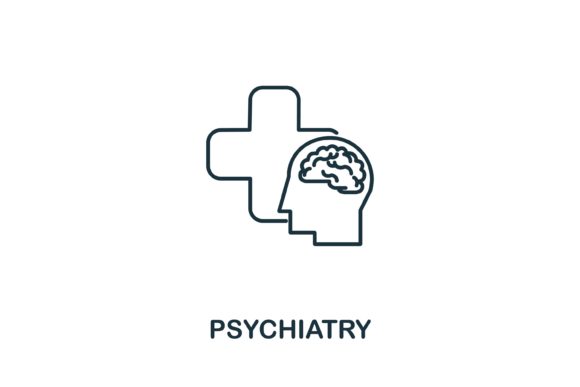
The psychiatry icon is often designed with simplicity and universality in mind. It may incorporate elements like a brain, a head profile, or abstract shapes that evoke balance, healing, or connection. These visual cues are not just decorative—they serve a functional purpose in guiding users to relevant information and services.
Design Characteristics of Psychiatry Icons
Modern psychiatry icons are typically crafted with clean lines, minimal detail, and scalable vector formats such as EPS and JPG. This ensures they remain sharp and legible at any size, from mobile app buttons to large-format posters. Designers often use soft colors like blue, green, or lavender to convey calmness and trust, aligning with the emotional tone associated with mental health care.
- Scalable vector graphics (SVG, EPS) allow for high-quality reproduction across media.
- Simple line art ensures clarity and avoids visual clutter.
- Neutral color palettes promote a sense of tranquility and professionalism.
These design principles make the psychiatry icon versatile for use in web design, mobile applications, infographics, and educational materials. Their adaptability ensures that they can be easily integrated into various branding systems while maintaining visual consistency.
Applications Across Industries
The utility of the psychiatry icon extends far beyond clinical settings. Here are some key areas where these icons are making a difference:
- Healthcare Platforms: Teletherapy apps, mental health portals, and wellness websites use psychiatry icons to guide users through services like counseling, self-assessment tools, and appointment booking.
- Educational Resources: Schools and universities incorporate these icons into presentations, handouts, and online learning modules to visually represent psychological concepts and support services.
- Corporate Wellness: Businesses integrating mental health initiatives into employee wellness programs often use icons to promote access to confidential counseling, stress management tools, and mindfulness exercises.
- Public Health Campaigns: Government and nonprofit organizations rely on recognizable icons to disseminate information about mental health awareness, crisis hotlines, and community support groups.
Each of these applications benefits from the clarity and accessibility that a well-designed psychiatry icon provides, helping to reduce stigma and encourage engagement with mental health resources.
Why Psychiatry Icons Matter in Web and UI Design
In user interface (UI) design, especially for health-related platforms, intuitive navigation is essential. The psychiatry icon serves as a visual anchor that users can quickly recognize and associate with mental health support. This is particularly important in mobile apps and responsive websites where screen space is limited and visual cues must be clear and immediate.
For web developers and designers, using a psychiatry icon in vector format (such as EPS) ensures that the image remains crisp across devices and resolutions. Additionally, these icons can be easily customized—color, size, and style adjustments can be made without compromising quality or clarity.
Consider the following when integrating psychiatry icons into digital experiences:
- Consistency: Ensure icons align with the overall visual language of the platform.
- Accessibility: Use icons in combination with text labels to support users with visual impairments or cognitive differences.
- Cultural Sensitivity: Choose designs that are universally understood and avoid culturally specific imagery that may not translate well across regions.
Psychiatry Icons in Infographics and Presentations
Infographics are a powerful way to convey complex data in an engaging and digestible format. The psychiatry icon enhances these visuals by offering a consistent visual theme that ties together statistics, charts, and explanatory text.
For educators, researchers, and public speakers, using these icons in presentations helps maintain audience focus and reinforces key messages. For example, an icon representing emotional well-being can be paired with data on rising anxiety rates, while a brain icon might accompany findings on cognitive development or neuroplasticity.
When selecting a psychiatry icon for infographics, consider the following best practices:
- Relevance: Choose icons that directly relate to the topic being discussed.
- Balance: Avoid overcrowding slides or posters with too many icons; use them to highlight rather than decorate.
- Scalability: Vector formats like EPS allow for seamless resizing without loss of quality, making them ideal for print and digital use.
Choosing the Right Psychiatry Icon for Your Project
With a growing number of stock icon libraries and design tools offering psychiatry icon sets, it's important to select icons that align with your brand identity and intended audience. Here are some factors to consider:
- Style: Opt for a design that matches your existing visual assets—whether minimalist, flat, or more illustrative.
- Format: Look for icons available in both EPS and JPG formats for maximum flexibility.
- Licensing: Ensure the icon is available under a license that permits both commercial and editorial use.
- Customizability: Choose icons that can be easily edited in common graphic design software like Adobe Illustrator or free tools like Inkscape.
Whether you're designing a mental health app, a wellness brochure, or an educational infographic, the right psychiatry icon can elevate your content and improve user engagement.
Future Trends in Mental Health Iconography
As the demand for mental health resources continues to grow, so too does the need for inclusive and representative visual language. The future of psychiatry icon design is likely to emphasize diversity, emotional nuance, and cultural inclusivity.
We’re already seeing trends toward icons that reflect a broader range of identities, including different skin tones, gender expressions, and age groups. Additionally, designers are exploring more expressive icons that depict emotional states beyond the traditional “head and brain” motif—such as icons representing resilience, self-care, and community support.
These evolving visual standards reflect a broader shift in how mental health is understood and communicated—not as a clinical abstraction, but as a deeply personal and varied human experience. As such, the psychiatry icon will continue to play a vital role in shaping how we talk about, access, and understand mental well-being.